
Why Distilleries Are Becoming Hospitality Brands
.gif)
For decades, distilleries were places of production. Visitors might stop by for a tour, purchase a bottle, and leave. The product was the experience. Today, a new generation of distilleries is challenging that model.
Increasingly, distilleries are becoming hospitality brands, places where storytelling, and guest experience come together to create something much larger than the spirits themselves.
This shift reflects a broader change in consumer behavior. People are no longer looking only for products; they're looking for experiences. They want to spend an afternoon somewhere memorable, learn the story behind what they're consuming, and feel connected to a place and a community.
In response, distilleries are investing heavily in spaces that encourage gathering and discovery. Restaurants, cocktail bars, tasting rooms, event spaces, retail environments, and carefully designed architecture are becoming essential parts of the brand experience.
The result is a new kind of destination, one where production, hospitality, and culture coexist.
Check out some of our favorite ways to stand out:
Casa Silencio
Oaxaca, Mexico
Casa Silencio is a reminder that the strongest brands don't get applied to a place they emerge from. Built directly into the landscape of Oaxaca using local materials and rooted in the traditions of mezcal production, the property feels inseparable from its environment. Guests move seamlessly between hospitality and production, experiencing not just how the spirit is made, but where it comes from and why it matters. The result is something increasingly rare in hospitality: a place where brand, product, and setting are impossible to untangle from one another
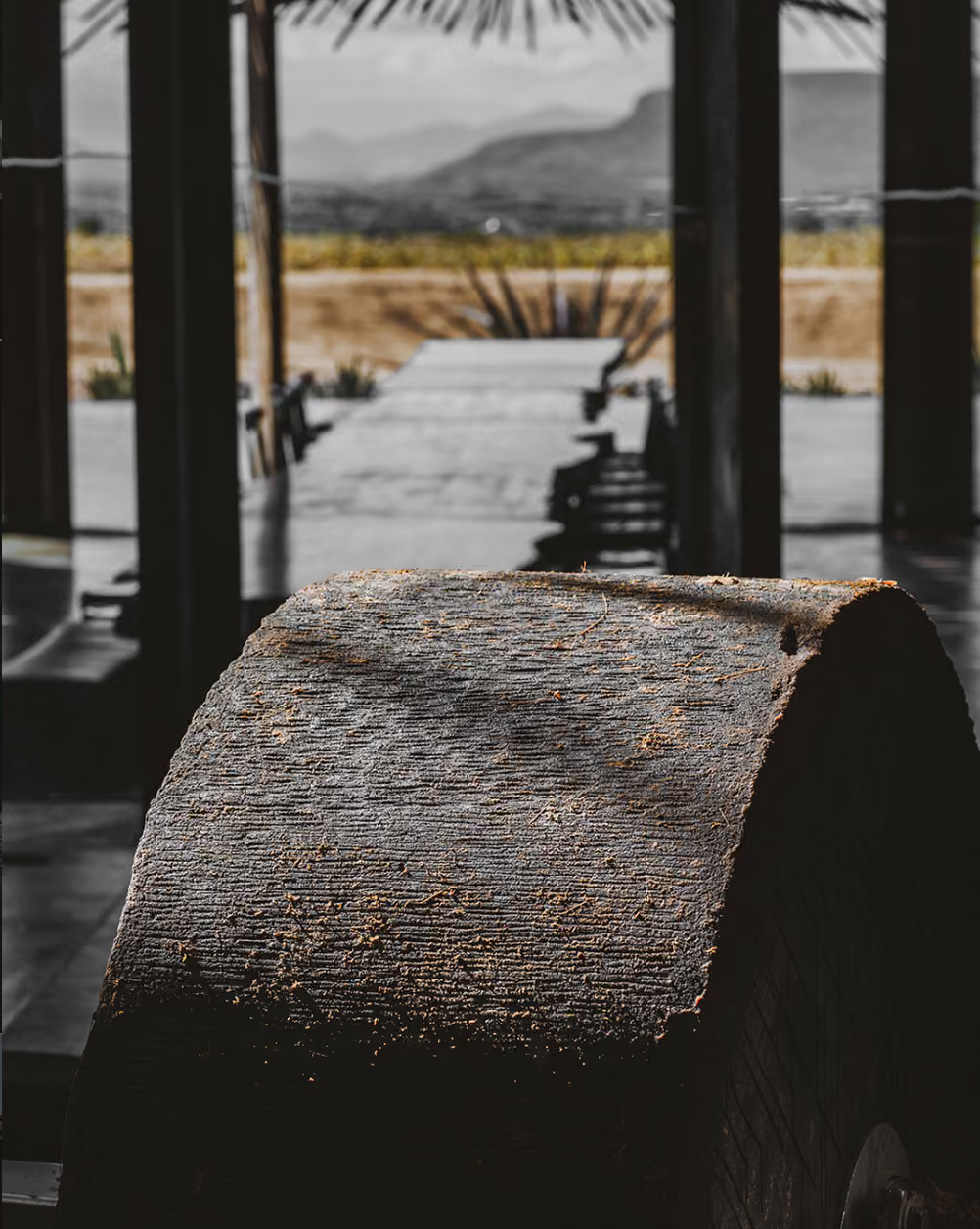
What it reveals: Authenticity isn't a visual language. It's alignment between story, place, and experience.
Bone Idyll Distillery
Kingston-upon-Thames, United Kingdom
Most brands spend years trying to build community. Bone Idyll started with one. Funded by local residents and supported by neighbors who became investors, advocates, and ambassadors, the distillery demonstrates the power of belonging as a brand strategy. The tasting room, production facility, and bar aren't simply places to consume a product, they're physical manifestations of a shared sense of ownership. In an era where authenticity is often manufactured, Bone Idyll proves that community isn't a marketing tactic. It's an operating principle.
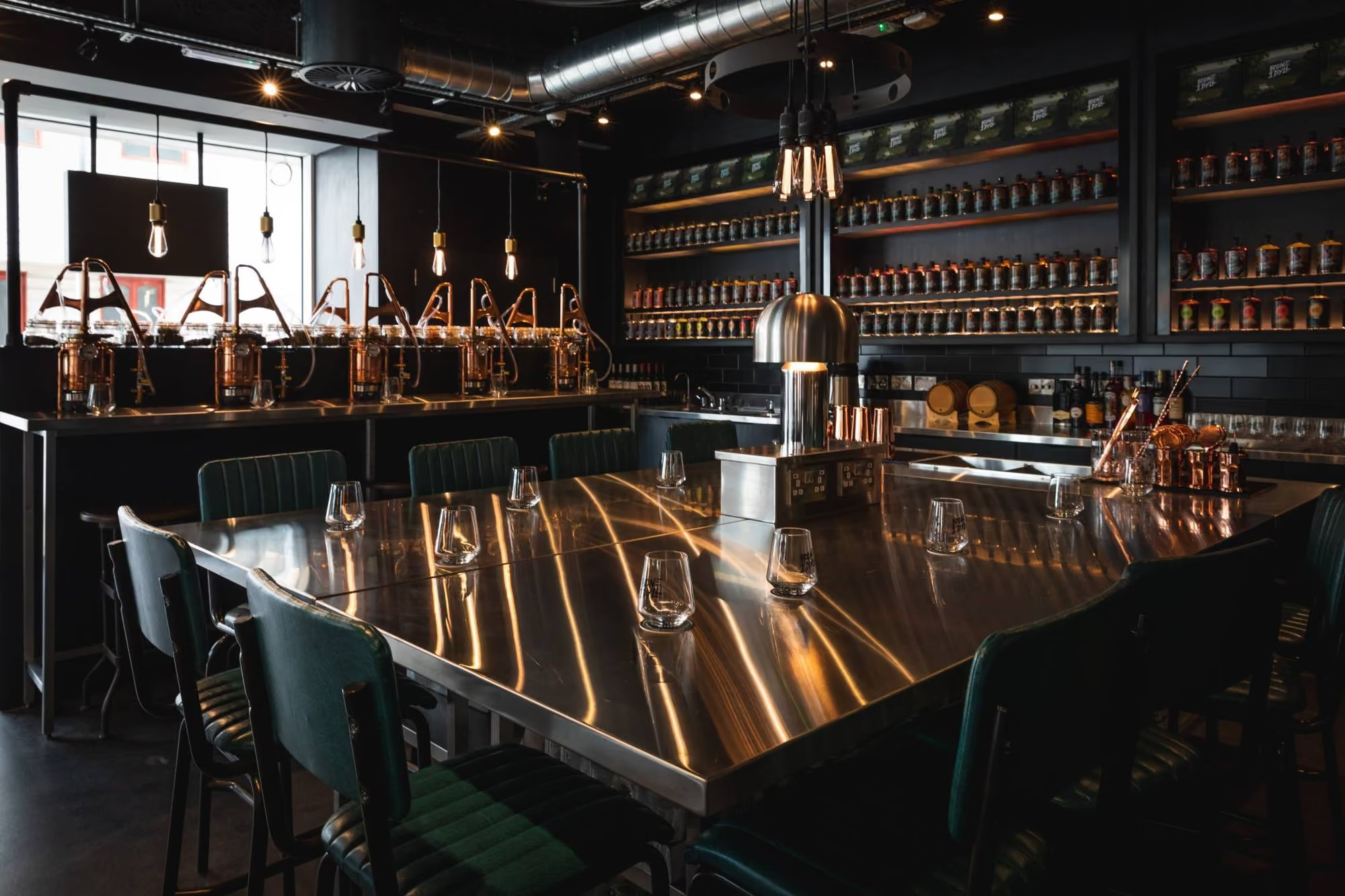
What it reveals: The strongest brands don't create audiences. They create participants.
Company Distilling
Townsend, Tennessee
Some hospitality concepts build a brand and then search for a setting. Company Distilling took the opposite approach. Located at the gateway to the Great Smoky Mountains, the experience is shaped as much by the surrounding landscape as it is by the spirits being produced. The architecture, programming, food and beverage offerings, and guest experience all draw from a distinct sense of place. Rather than imposing an identity onto the environment, the brand allows the environment to become the identity.
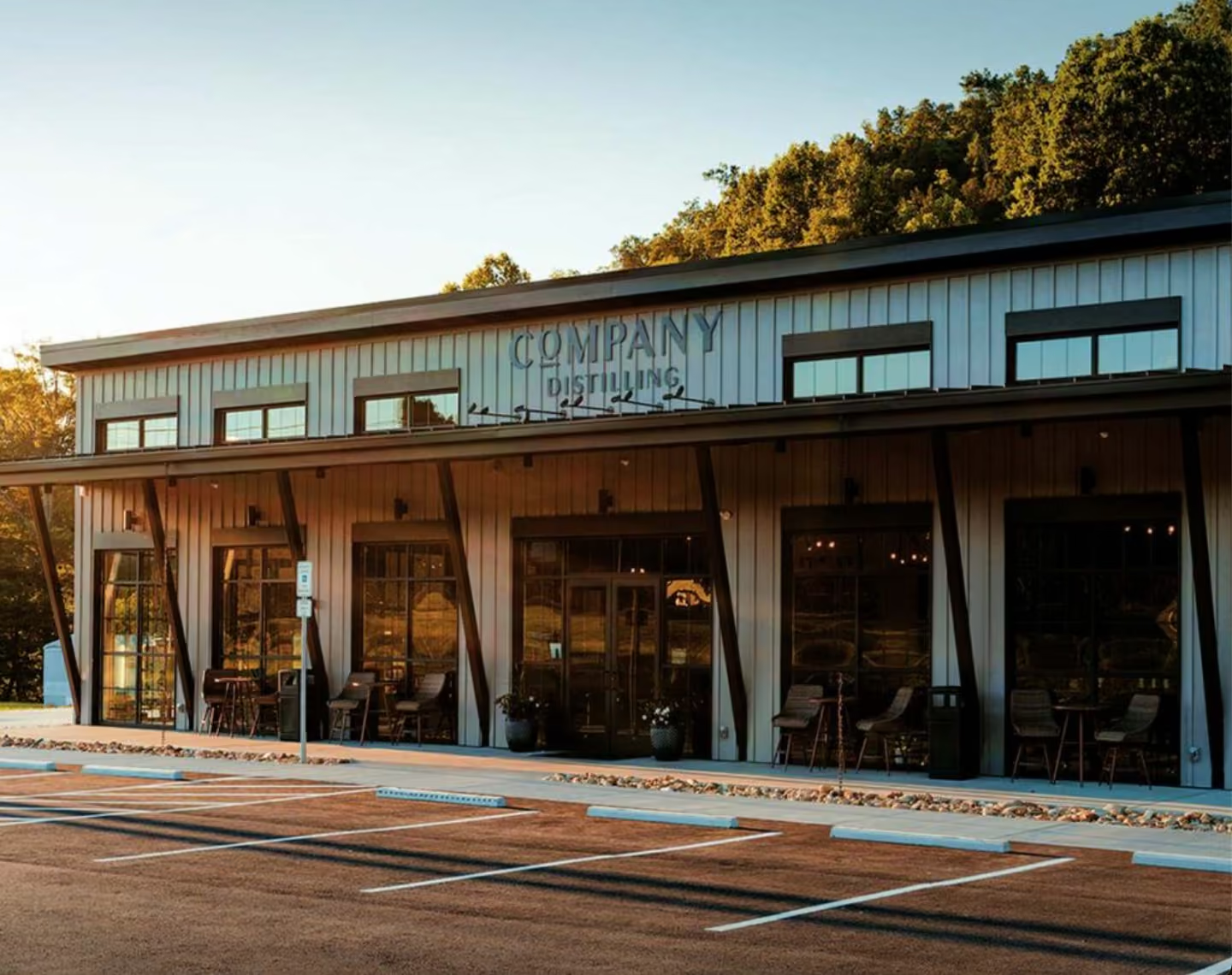
What it reveals: The most memorable hospitality experiences often start with a deep understanding of where they belong.
The Dalmore
Scottish Highlands
The challenge facing The Dalmore wasn't reinvention. It was evolution. How do you modernize an iconic brand without losing the qualities that made it iconic in the first place? The answer lies in creating experiences that feel simultaneously timeless and contemporary. Sweeping views, personalized journeys, and immersive hospitality transform the distillery from a production facility into a destination. Every detail reinforces a simple truth: heritage isn't something to preserve behind glass. It's something to continually reinterpret.
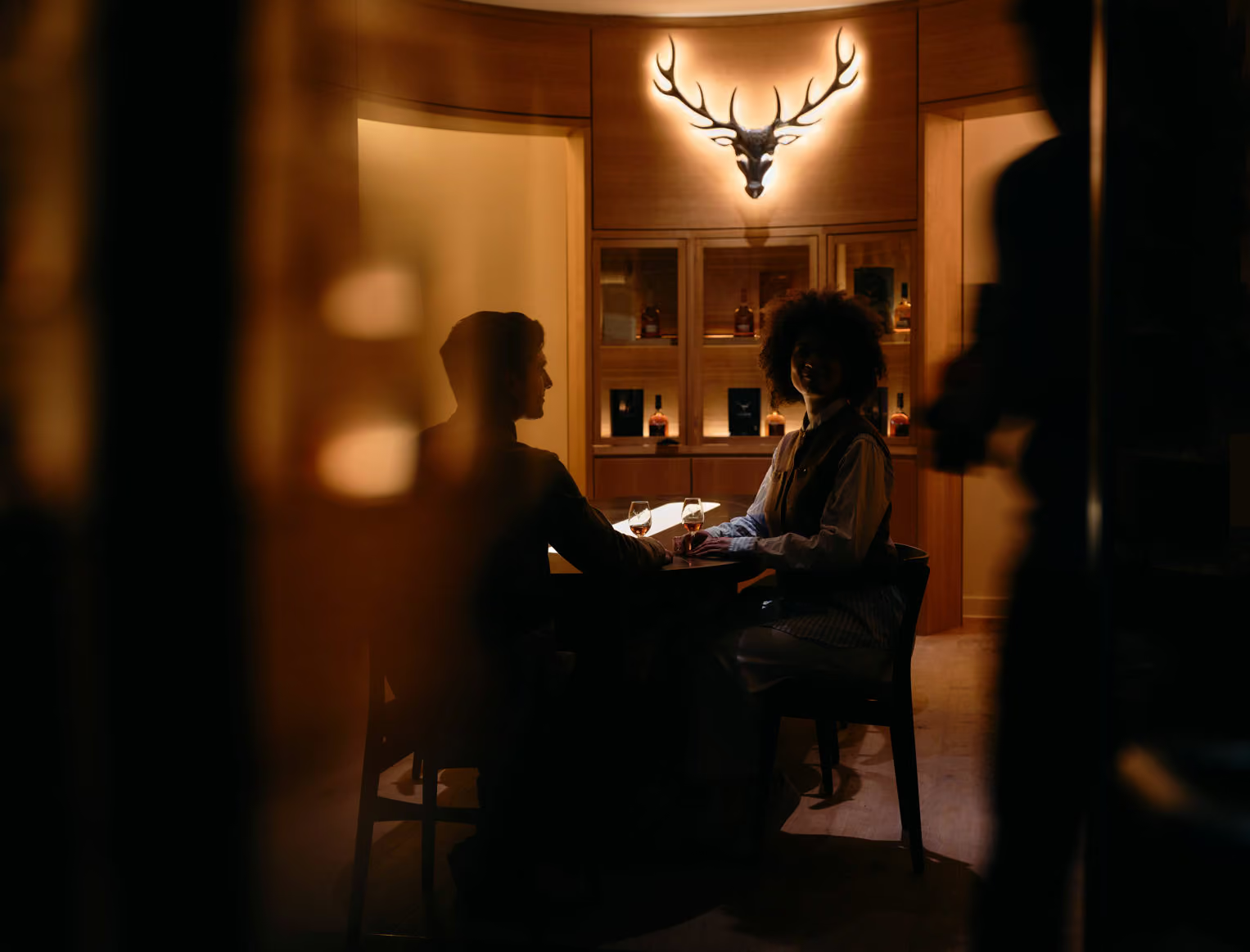
What it reveals: The best brands don't choose between legacy and innovation. They use one to strengthen the other.
The Chuan Distillery
Sichuan, China
The Chuan was conceived as more than a distillery. It was designed as a cultural destination. Set against one of China's most significant natural and spiritual landscapes, the project combines hospitality, architecture, art, and production into a single experience. Guests are invited not only to learn about whisky, but to engage with a broader cultural narrative. The result reflects a growing shift within hospitality: the move from creating destinations that sell products to creating destinations that create meaning.
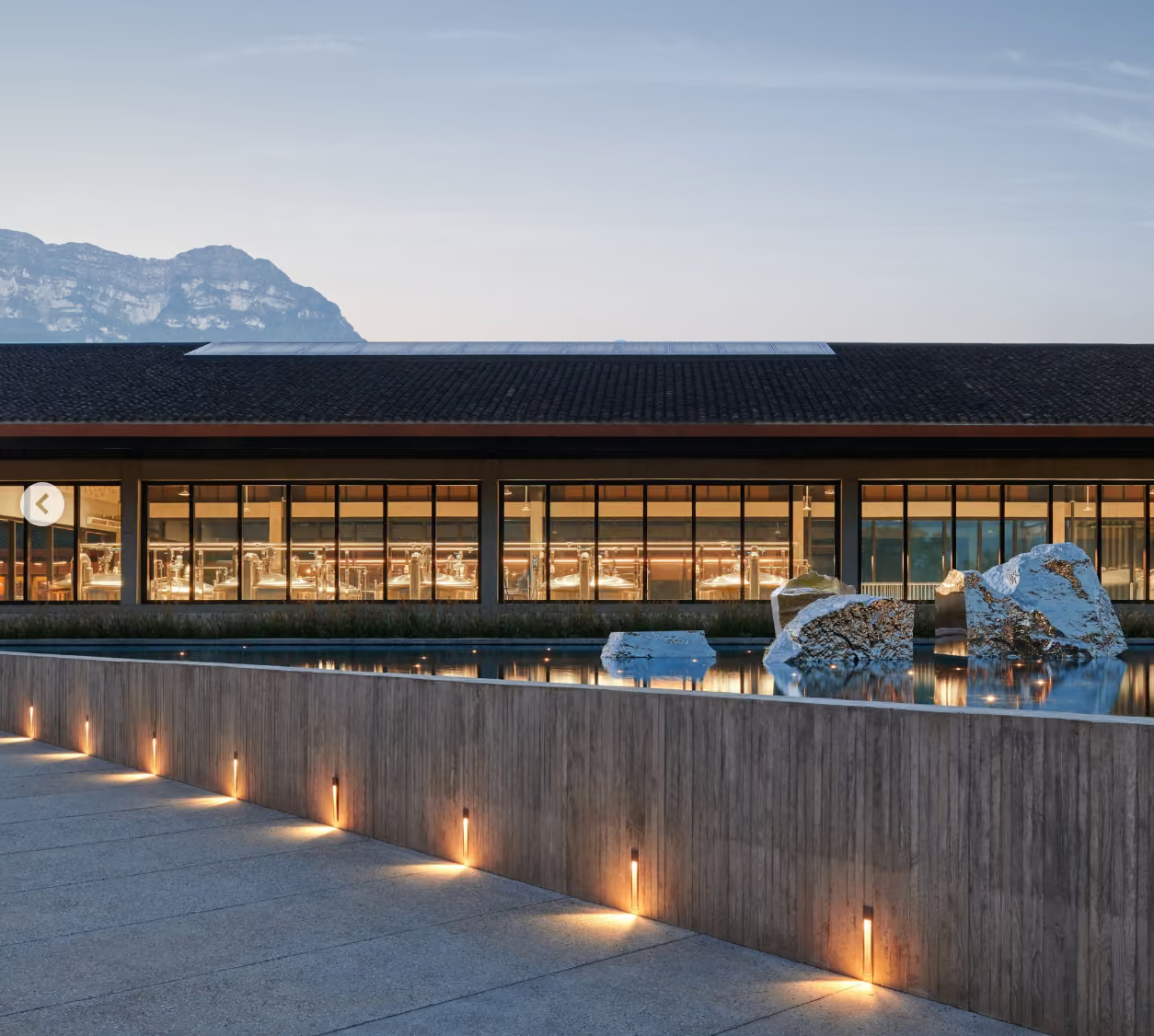
What it reveals: The future of hospitality belongs to brands that contribute to culture, not just commerce.
Emerging Observations
Across these examples, a clear pattern begins to emerge.
Distilleries are investing in hospitality because the product alone is no longer enough to differentiate a brand. Visitors increasingly seek experiences that feel social, educational, and memorable.
Architecture becomes part of the narrative.
Retail becomes part of the experience.
Food and beverage become tools for storytelling.
The result is a new type of hospitality destination, one where production, design, culture, and community coexist.
The most interesting question may not be why distilleries are becoming hospitality brands.
It's what other industries might follow the same path.