
The Return of Collective Experience
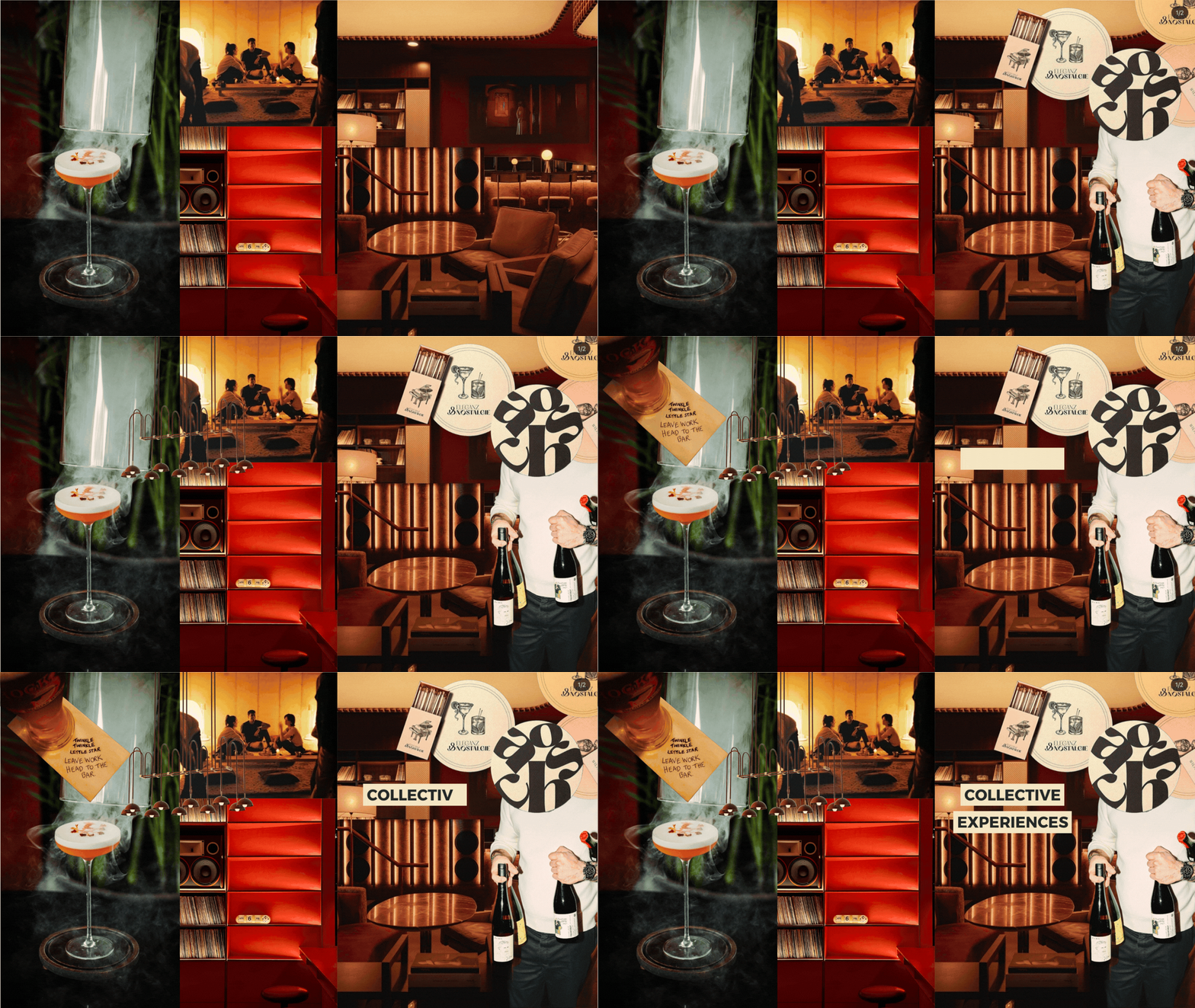
For years, the future of dining was predicted to be faster, easier, and frictionless. More delivery. More automation. More personalization powered by algorithms. And yet, the restaurants generating the most cultural energy right now are doing the exact opposite.
They’re slowing people down.
Making them wait.
Asking them to participate.
Encouraging strangers to interact.
Building mystery, ritual, and shared experience back into hospitality.
The hottest restaurants right now aren’t optimizing for efficiency. They’re optimizing for belonging.
Hospitality as Shared Theater
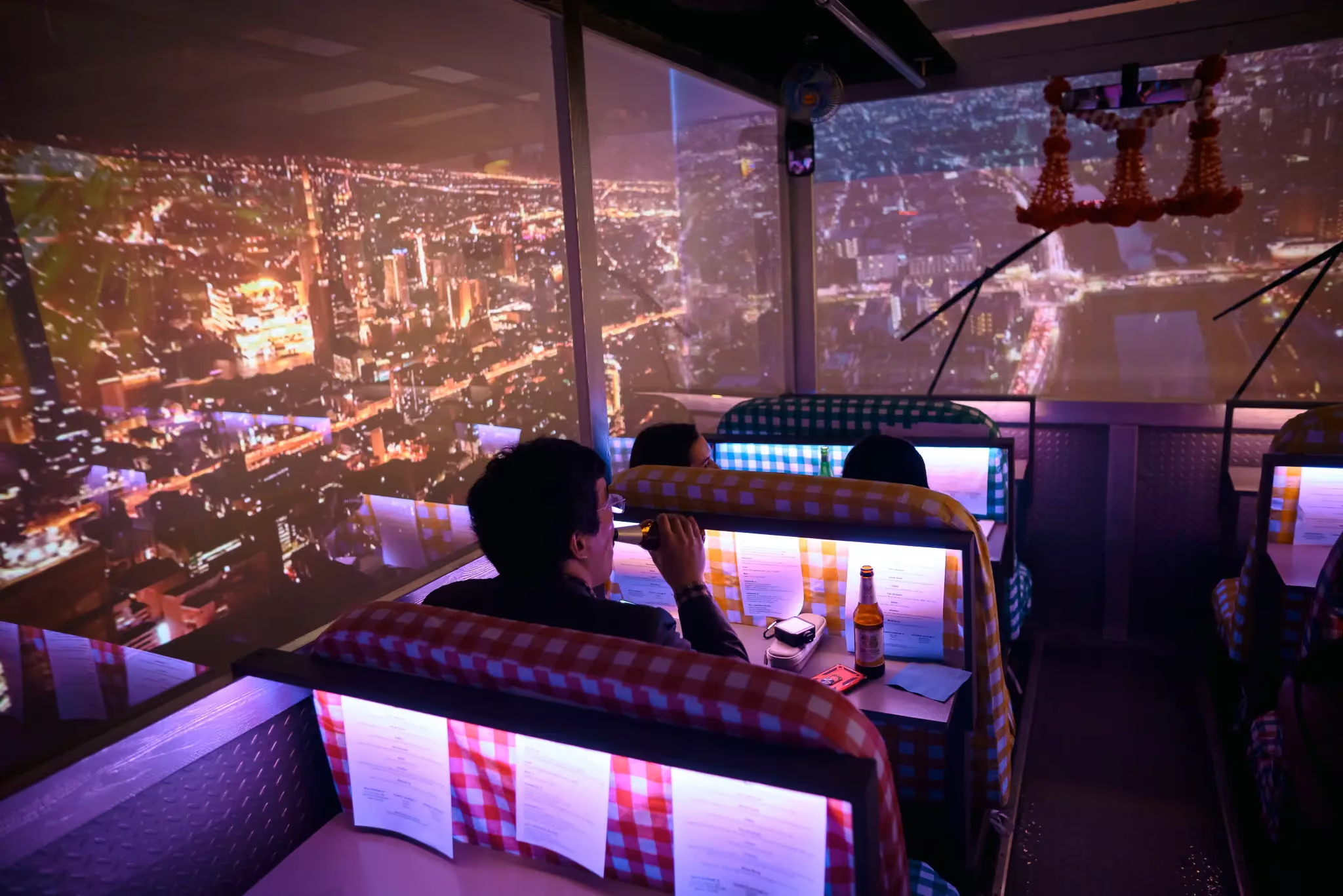
At Bang Bang Bangkok, guests step into a recreated Bangkok-style bus complete with wraparound projections, school-bus seating, and airline-cart service. The experience intentionally collapses the line between dining and immersive theater, placing strangers inside the same unfolding story.
The meal matters, of course. But the emotional takeaway is collective participation, the feeling that everyone in the room experienced something together.
The Return of Anticipation
.avif)
At Rye Bunny, only two reservations are released nightly for $25, with proceeds donated entirely to charity. Everyone else waits outside together, where conversation naturally begins long before dinner starts.
The line itself becomes social infrastructure.
In a culture built around instant gratification, Rye Bunny reintroduces anticipation and with it, spontaneity, conversation, and human interaction. People meet while waiting. Recommendations are exchanged. Plans evolve in real time. Community begins before the host stand.
In the age of convenience, anticipation has become a luxury.
Mystery as Connection
.avif)
At The Office of Mr. Moto, guests decode cryptic emails before arriving at the hidden St. Marks speakeasy, where vintage Japanese antiques and the sound of a player piano create an atmosphere of discovery and intrigue.
The experience asks guests to engage, to wonder, to participate in uncovering the story.
And that matters because mystery creates emotional investment.
When not everything is instantly revealed, people lean in closer both to the experience and to one another.
Restaurants like Mr. Moto remind us that curiosity itself can be a form of hospitality.
Restaurants as Identity
.avif)
Meanwhile, Kato pushes hospitality beyond the dining room entirely. Its collaboration with Dickies through the Family Style Food Festival reflects a growing shift where restaurants are becoming identity markers, cultural ecosystems, and lifestyle brands.
People no longer simply dine at restaurants they love.
They wear them.
Collect them.
Align themselves with them culturally.
Hospitality is increasingly functioning the way music scenes or fashion labels once did: as a source of belonging and self-expression.
Togetherness as the New Luxury
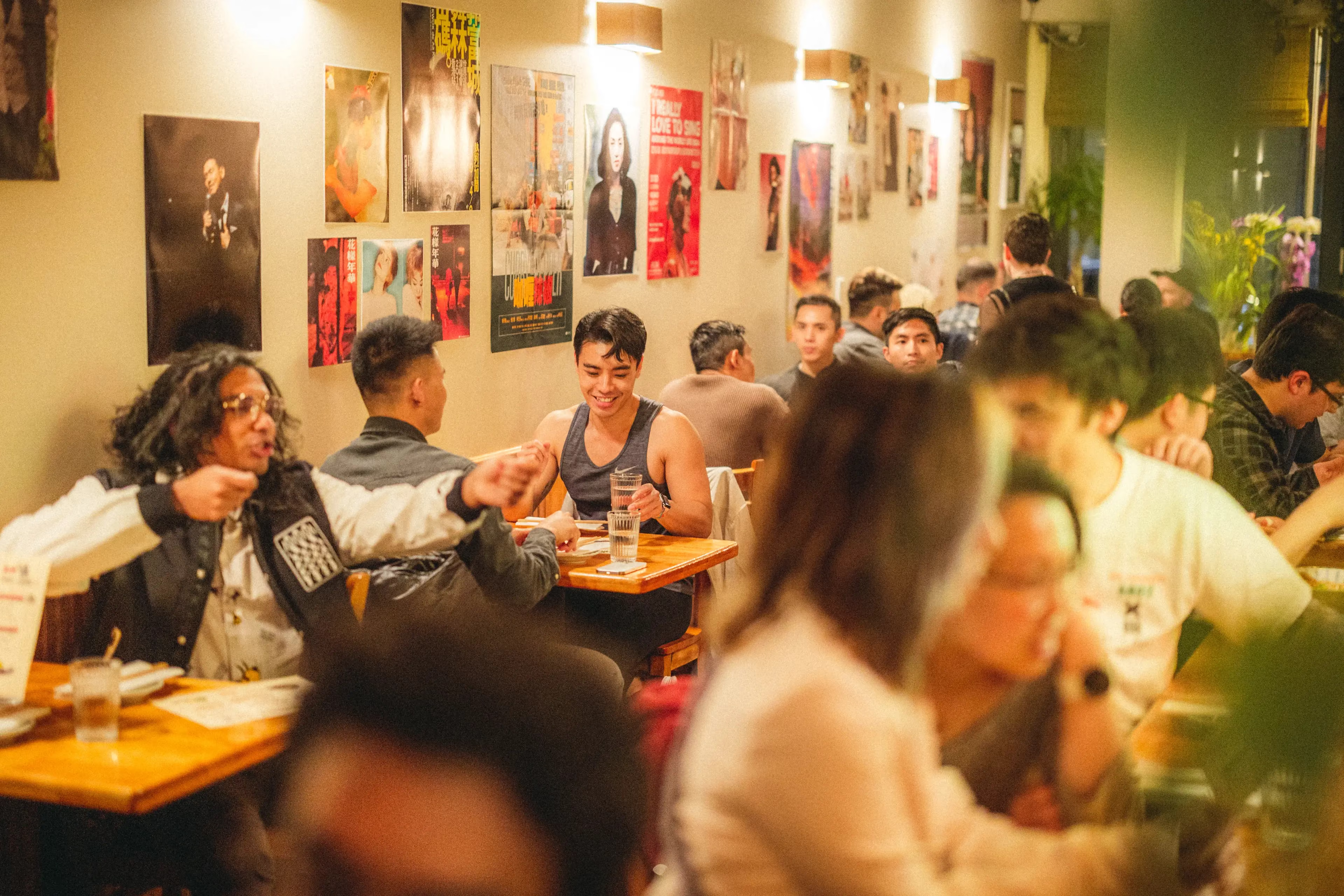
At Four Kings, the loud dining room, packed counter seating, and nightly lines create something many modern spaces actively avoid: forced proximity.
And people love it.
The energy of the room becomes as much a product as the food itself. Strangers overhear conversations, lean into recommendations, and share reactions across the counter.
The restaurant thrives not by maximizing privacy, but by amplifying togetherness.
This points to a larger truth emerging across hospitality culture:
People are starved for collective energy.
The future of hospitality isn’t private. It’s participatory.
Why This Matters Right Now
These restaurants may look wildly different on the surface - immersive buses, cryptic speakeasies, crowded Cantonese counters, charity-based reservation systems — but culturally, they’re responding to the same thing:
Isolation fatigue.
After years of algorithmic living, people are searching for experiences that feel:
- tactile
- communal
- unpredictable
- emotionally rich
The restaurants defining this next era understand something powerful:
People don’t just want dinner anymore.
They want story. Ritual. Atmosphere. Belonging. A reason to leave the house.