
Listening Bars and the Rise of Intentional Hospitality
.gif)
In most restaurants and bars, music is treated as background. It fills the silence, sets a vague mood, and fades into the noise of conversation and clinking glasses. But a growing number of venues are flipping that idea on its head. In listening bars, music isn’t just an accessory to the experience. Music is THE experience.
Originating from Japan’s post-war jazz cafés of the mid-20th century, called jazz kissa, listening bars were built around a simple premise: great sound deserves full attention. Carefully curated vinyl selections, high-fidelity sound systems, and acoustically considered spaces create environments where guests come not just to drink, but to listen.
Today, the concept has spread well beyond Tokyo. Across major cities, hospitality operators are rediscovering the power of intentional sound and in doing so, they’re offering a compelling lesson in experiential design.
Sound as the Centerpiece
At venues like Bar Martha, the experience begins with the sound system. Known for its towering wall of vinyl records and warm, dimly lit interior, the space was designed with listening in mind. Massive speakers, carefully positioned seating, and an almost reverent atmosphere encourage guests to slow down and focus on the music.
This philosophy reshapes how the entire space functions. Seating arrangements, lighting levels, and even service pacing are designed to support attentive listening rather than constant stimulation. In many ways, the design feels closer to a small concert hall than a traditional bar.
For hospitality designers, the lesson is simple but powerful: when a single sensory element becomes the focal point, every other design decision must support it.
A Global Resurgence
While the concept began in Japan, a new generation of listening bars is interpreting the idea through different cultural lenses.
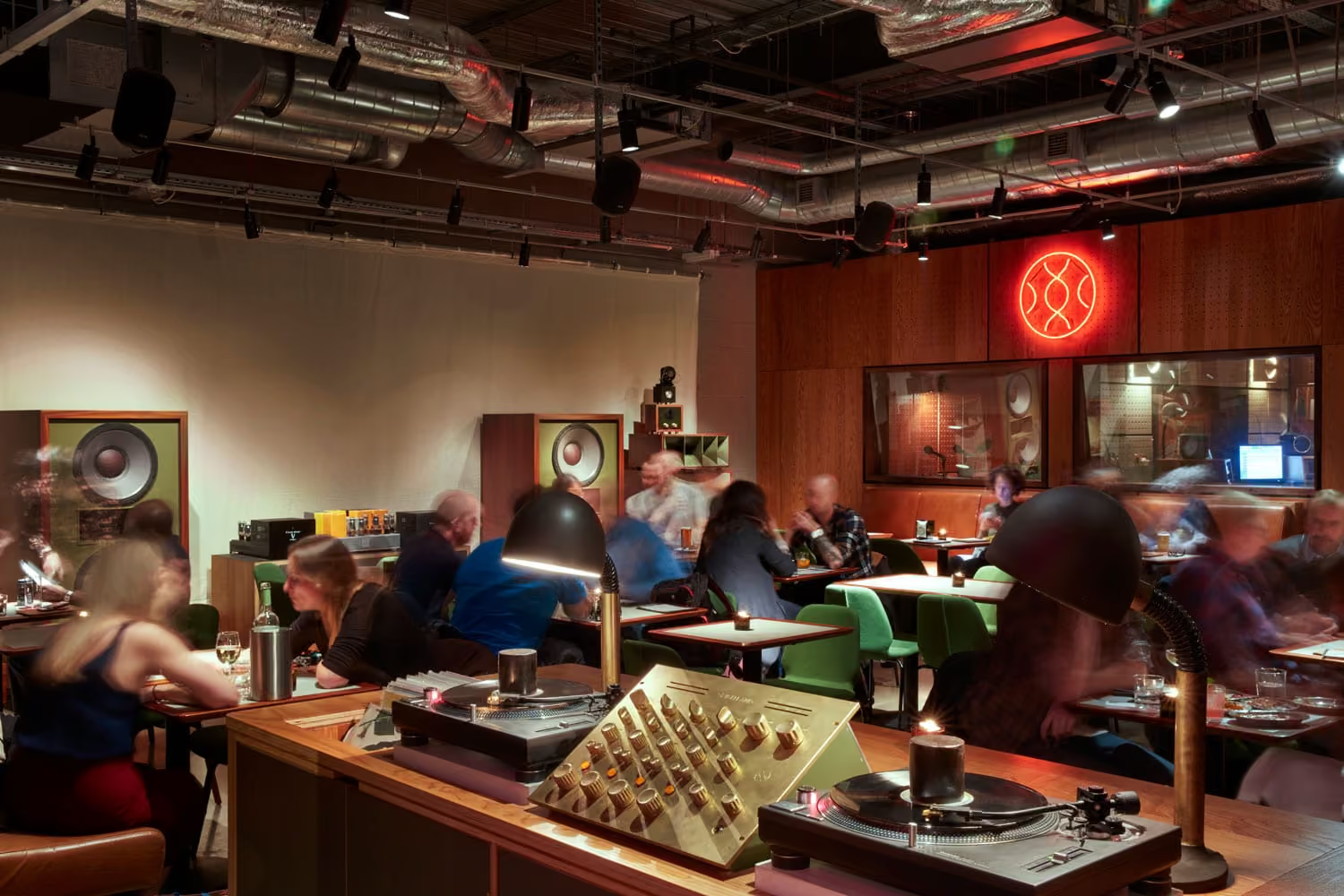
In London, Spiritland has become a modern reference point for audiophile hospitality. The venue pairs a world-class sound system with thoughtful interior design, showing how a restaurant and listening bar can coexist while maintaining an uncompromising focus on sound quality.
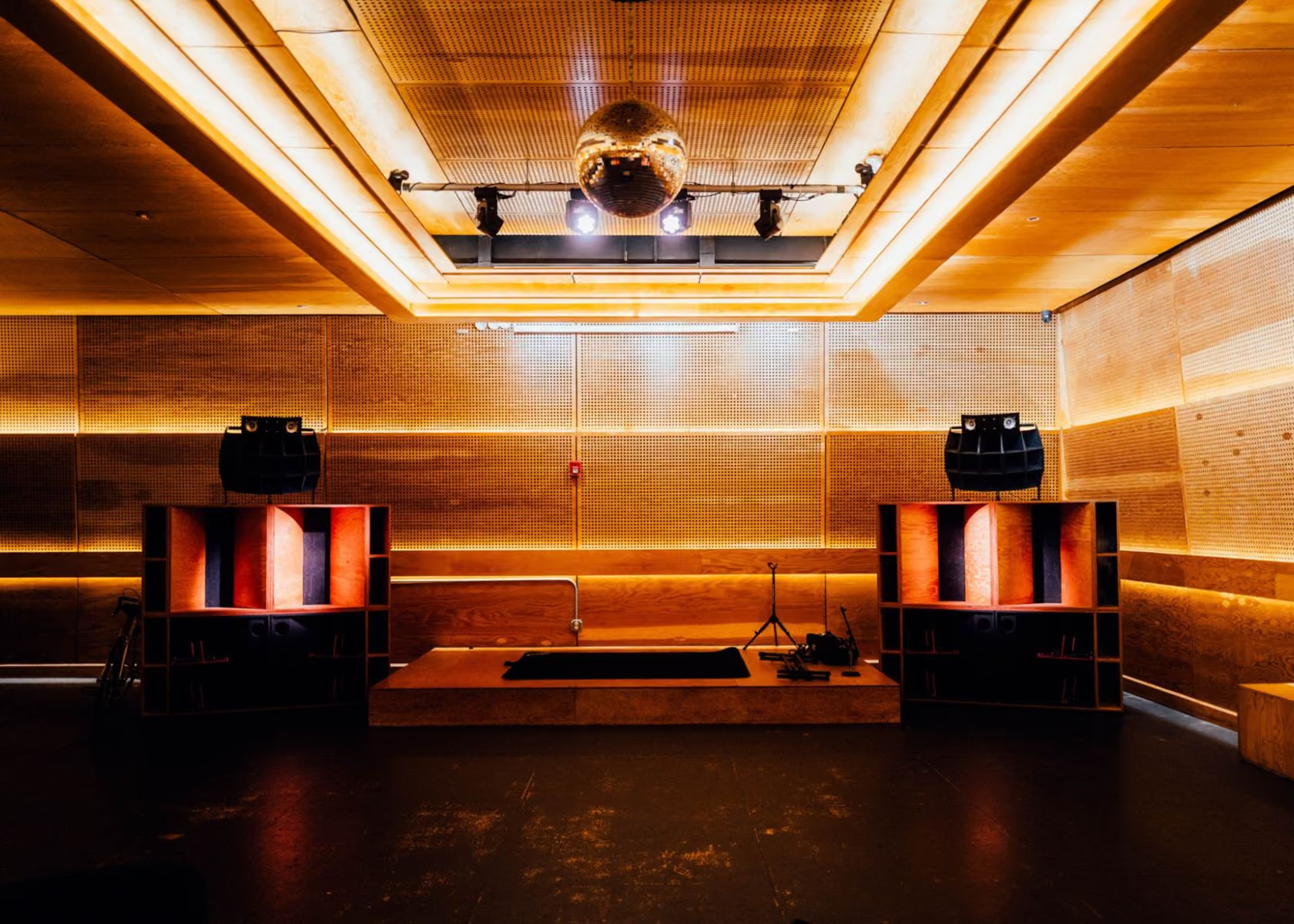
New York offers its own interpretation with Public Records. The venue combines music, architecture, and cultural programming, featuring a dedicated listening room where guests gather around a custom sound system to experience carefully curated vinyl sets.
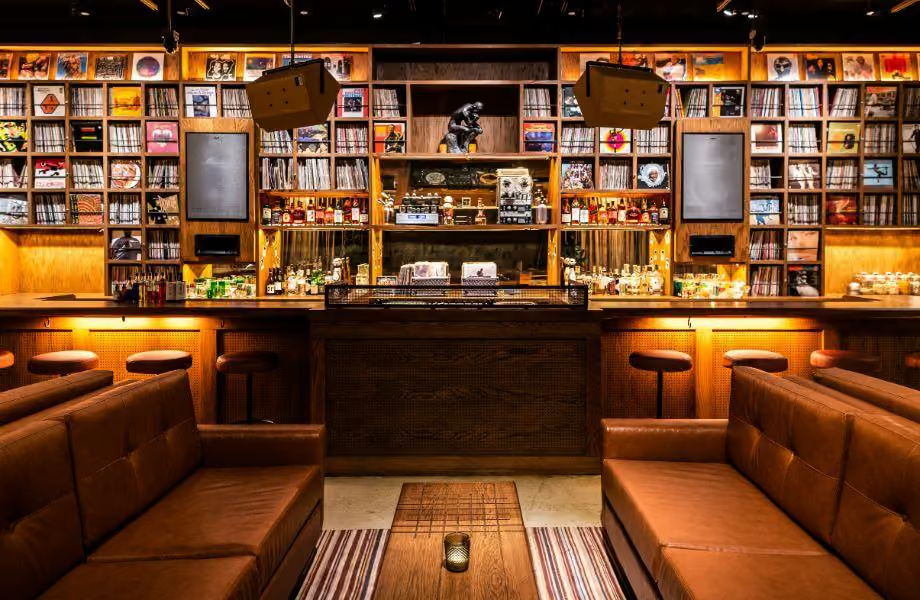
In Miami, Dante’s HiFi brings the listening bar concept into a lively nightlife environment. Inspired by Japanese vinyl cafés, the venue emphasizes high-fidelity sound while maintaining the energy of a modern cocktail bar.
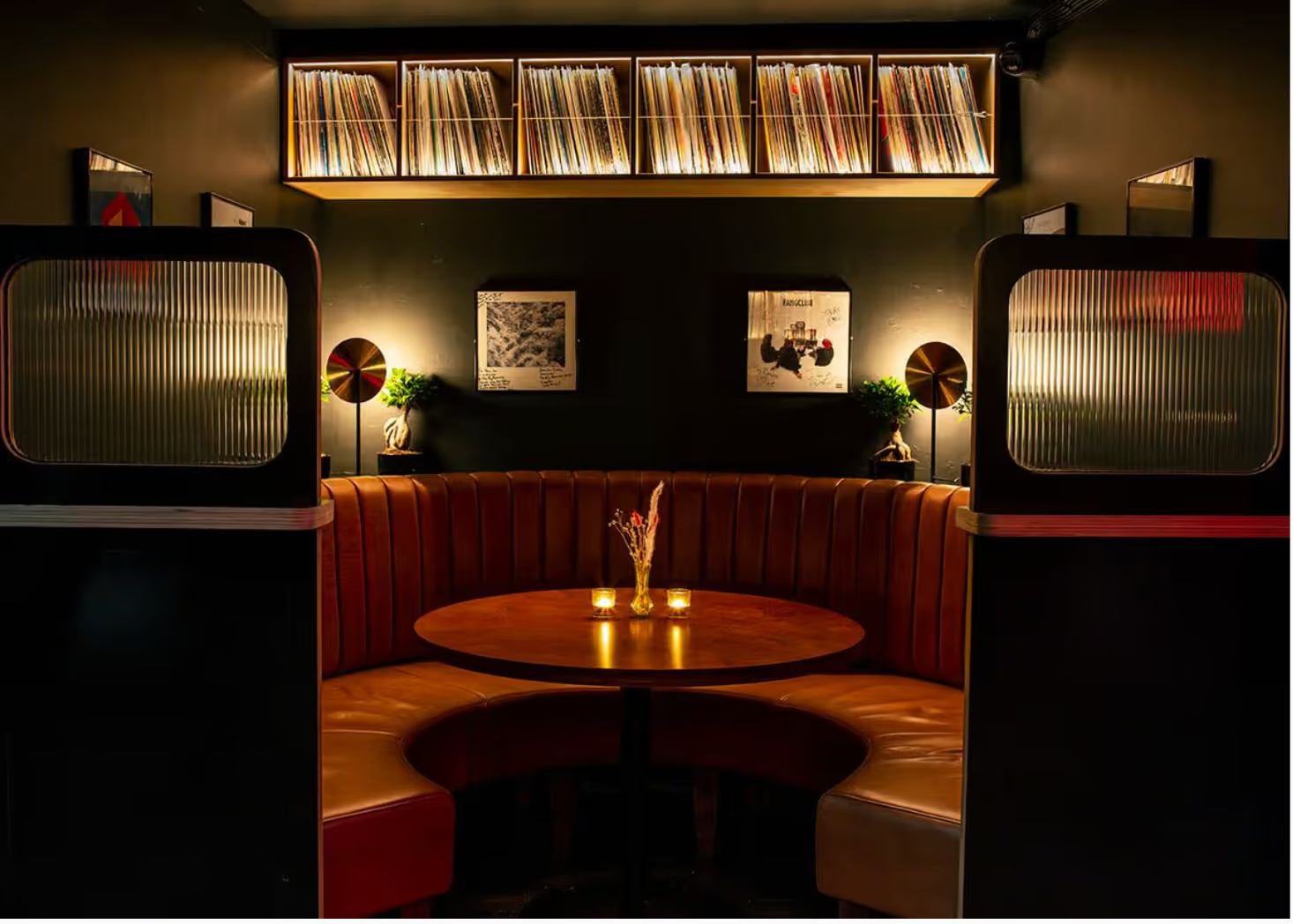
And in Dublin, Big Romance has built a reputation around its impressive sound system and deep vinyl collection. The bar’s design reflects a clear philosophy: music is not background ambiance but the central element shaping the entire guest experience.
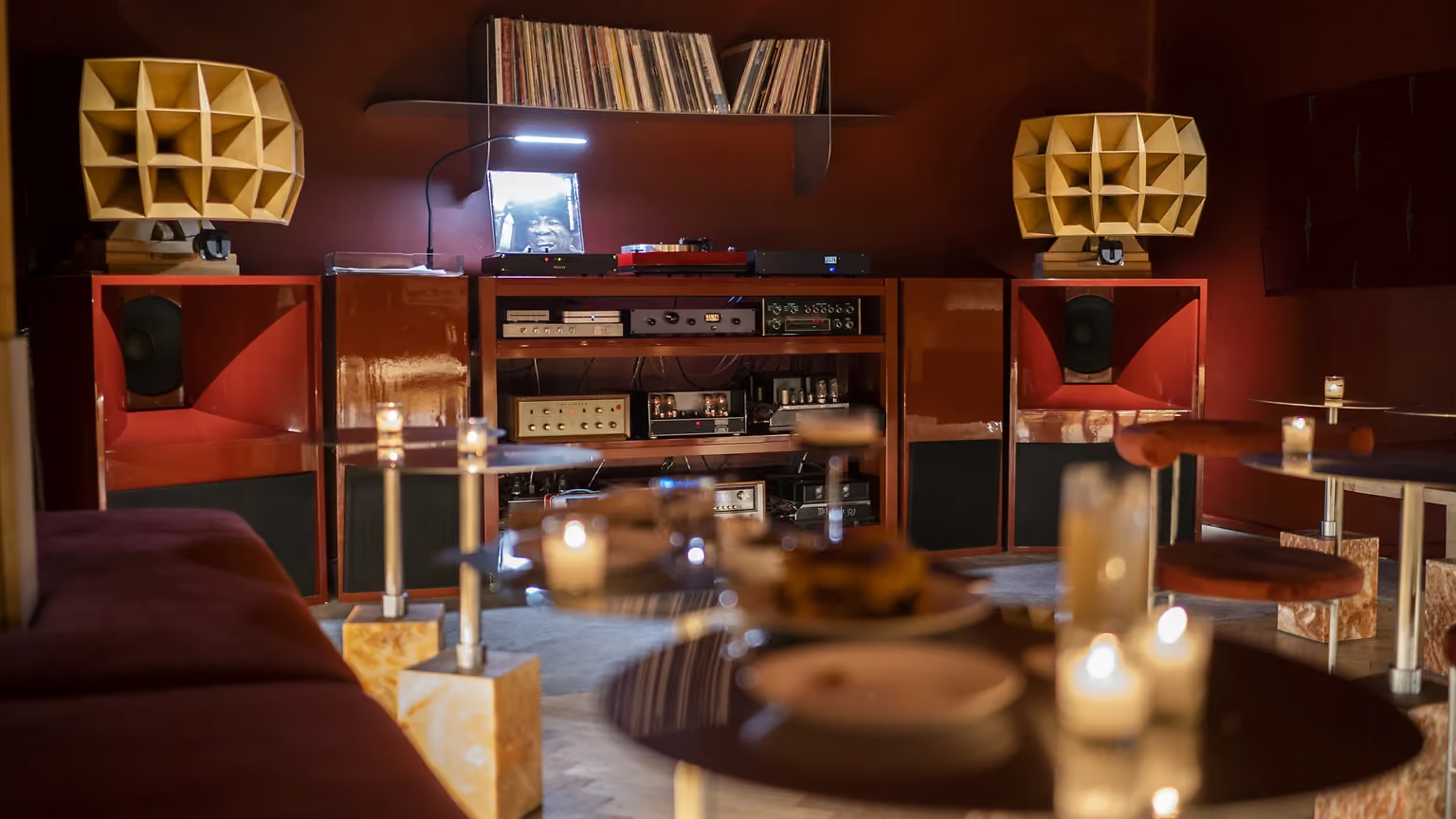
Hidden within Mexico City, Shhh lives up to its name. The bar embraces a quiet, intentional atmosphere where the focus is squarely on the music. With curated vinyl selections and a warm, dimly lit interior, Shhh blends Mexico City’s vibrant cultural scene with the contemplative spirit of classic listening bars.
Across these spaces, one theme remains constant: sound is not background noise. It is the core of the concept.
Designing for Intentional Experiences
Listening bars resonate today because they align with a broader shift in the hospitality industry. As digital experiences dominate daily life, guests increasingly seek out places that feel tactile, immersive, and intentional.
Vinyl records, analog equipment, and curated music selections create a sense of authenticity that many modern venues struggle to replicate. But the appeal isn’t just nostalgia. It’s the feeling that every detail, from acoustics to lighting, has been carefully considered.
For designers, this highlights an important principle: memorable hospitality often comes from designing around a strong, singular idea. When music becomes the centerpiece, architecture adapts. Materials soften acoustics. Seating encourages focus. Lighting frames the moment. The entire environment becomes a vessel for a shared experience.
A Lesson for Modern Hospitality
Listening bars remind us that great hospitality design is visual as well as sensory. Sound, lighting, layout and atmosphere work together to shape how guests feel and interact within a space.
Whether a venue centers on music, food, storytelling or community, the most compelling concepts are those that commit fully to their idea.