
The Cult of Casual

How restaurant branding and interior design are redefining fast casual
For years, fast casual was defined by what it sat between. A little fresher than fast food. A little cheaper than a full-service restaurant. A little quicker than one and a little slower than the other. The whole category was a compromise, a sensible middle built on the promise of a better lunch in under ten minutes.
That promise worked, right up until everyone made it. Today the drive-thru is fresh, the app is fast, and quality ingredients are table stakes from the airport to the strip mall. As speed, convenience, and freshness stopped being a difference, something else began separating the restaurants people simply eat at from the ones they actually care about: restaurant branding and interior design.
So the most interesting fast casual in today's landscape has quietly stopped competing on either front.
It is competing on identity.
And the sharpest examples are not the big chains at all. They are a wave of newer, mostly independent concepts that are scaling, each built around a single point of view: a cuisine told through one family's story, a room designed like a gallery, a chef's personality served in a pita. They borrow as much from fashion, hospitality, and youth culture as from the restaurant playbook.
Speed got fast casual in the door. Identity is what keeps it there.
What unites them is a set of instincts the old model never had. They stand for one hero product before an endless menu, build a cultural identity as much as a cuisine, and give every room a personality of its own. They are less interested in being everywhere than in being unmistakably themselves.
The new generation
Ggiata
One hero product.
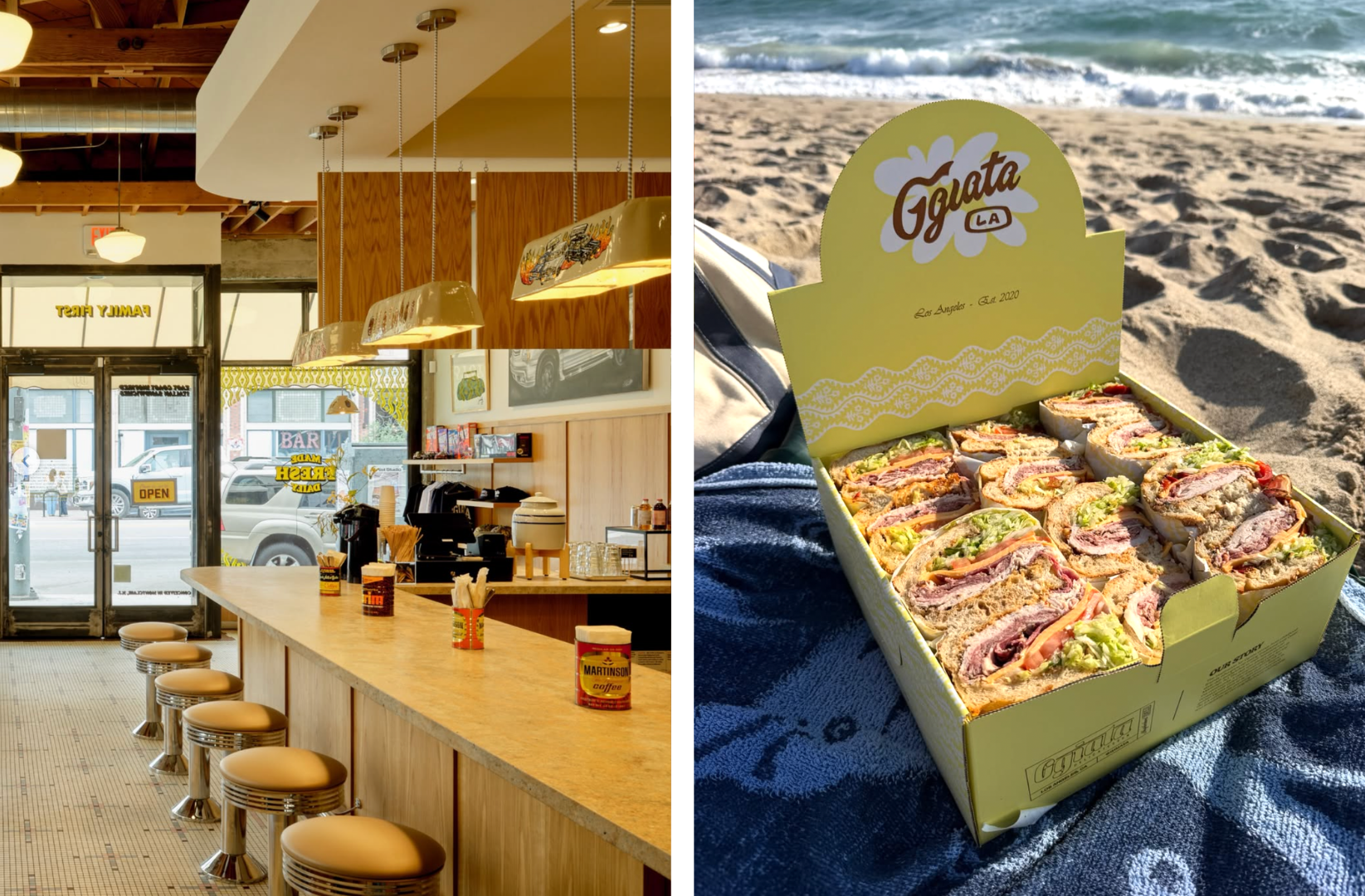
Ggiata built an entire Italian-deli brand on the strength of a single sandwich, the Spicy P chicken parm, and only widened the menu once that one item had a cult following. Three friends opened it in LA with premium cold cuts and a neighborhood-shop feel, and the newer West Hollywood flagship adds wine and pantry provisions without losing the corner-deli intimacy.
Lala Land Cafe
A cafe with a mission.
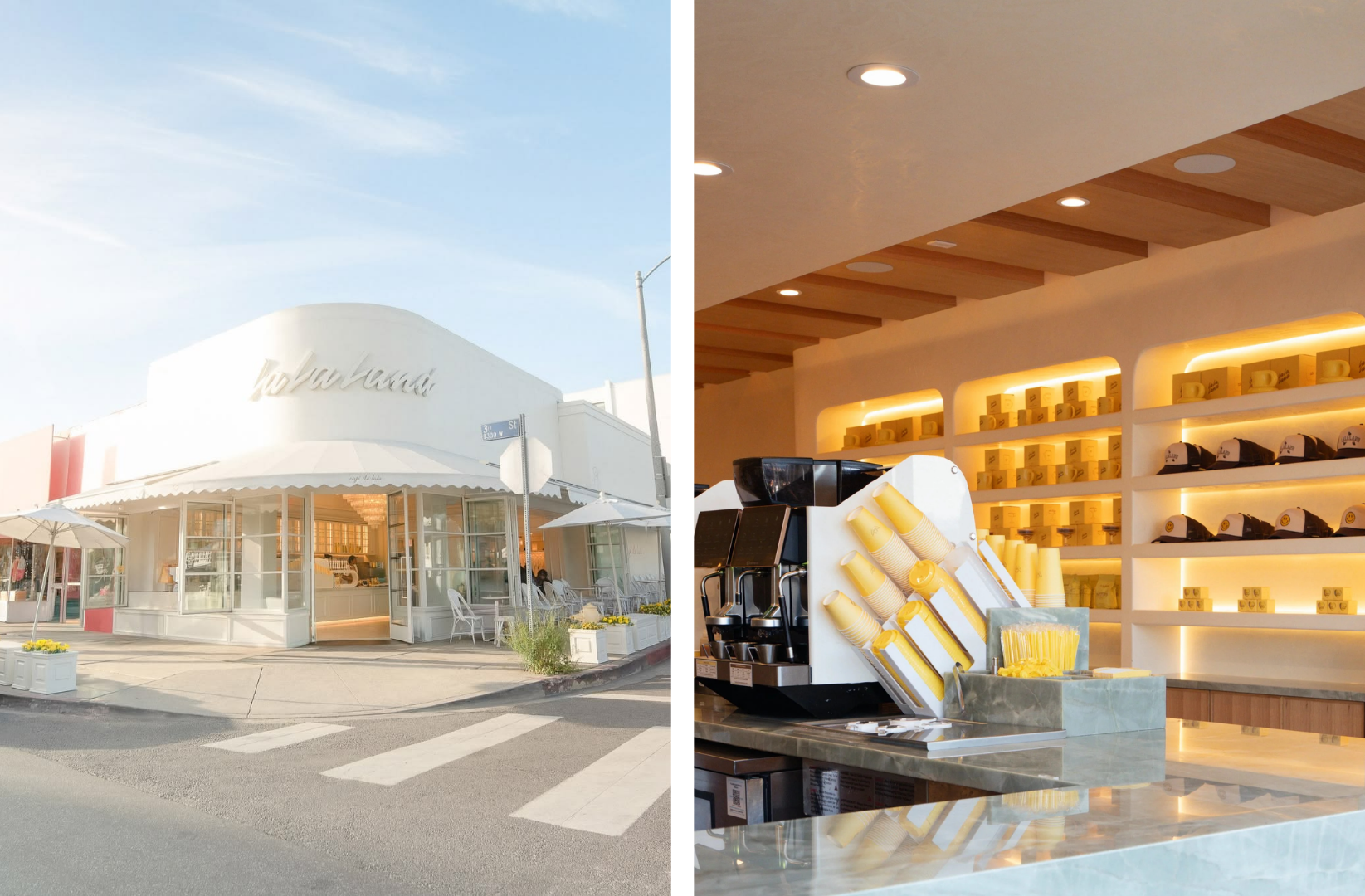
What sets La La Land apart is who works there: the cafe was created to hire and mentor young people aging out of the foster care system, offering paid internships, training, and the kind of support most of them never had. Wrapped around that mission is a dreamlike, all-white-and-yellow interior and one of the country's largest matcha selections, so the feel-good story and the photogenic space carry the brand as much as the drinks do.
Wonder
Dozens of restaurants, one order.
Wonder's trick is that one location runs dozens of restaurants at once. Under a single roof and a single order, you can pull dishes from a whole roster of different chefs and cuisines, so a group can each order from a completely different kitchen without anyone having to compromise. Marc Lore's tech-driven, delivery-first platform is the most venture-backed bet here, and its real innovation is removing the need to agree on where to eat.

THISBOWL
An Australian import.
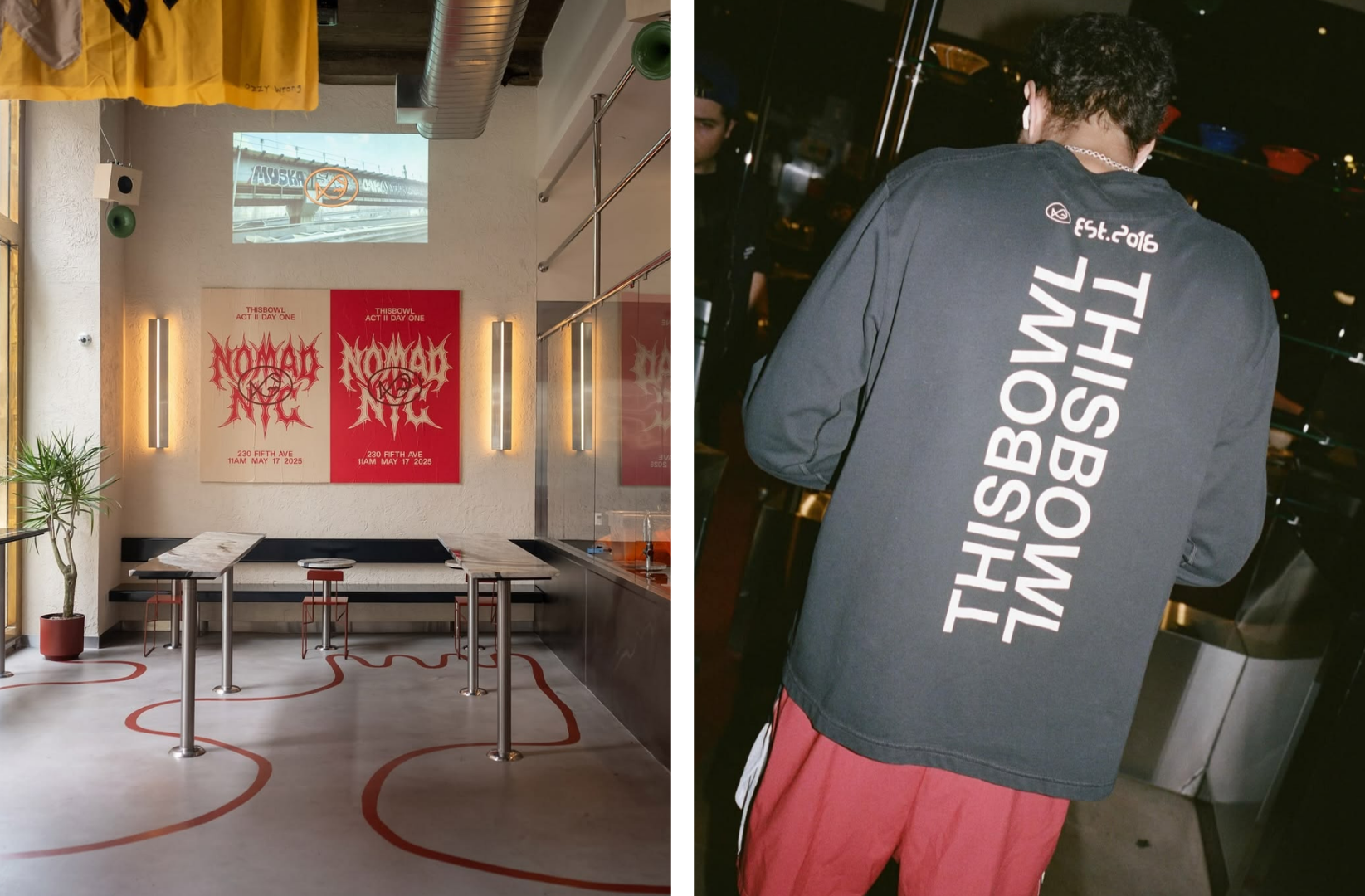
THISBOWL is an Australian transplant: it started in Bondi Beach and brought Sydney's laid-back, health-forward bowl culture to New York, where there was surprisingly little of it. The bowls are Asian-inspired, and every shop is designed like a small gallery, with commissioned art and custom fittings, in service of a stated aim to "change fast food and change the culture."
Pura Vida Miami
Selling the vacation.
Pura Vida's real edge is mood. The all-day wellness cafe is designed to make you feel like you are on holiday, all baby-blue-and-beige interiors and coastal calm, so guests come for the feeling as much as the açaí bowl. That sense of an everyday Miami escape is what has carried it well beyond Florida.

Brand first, design second, or maybe both at once
The best fast-casual restaurant design isn't decoration applied after the concept is finished. The brand strategy, visual identity, and interior design develop together. A clear point of view determines everything from the logo on the cup to the material at the counter, the artwork on the wall, the menu architecture, and the way a restaurant expands into its second or tenth location.
That is where good taste becomes more than aesthetics. It becomes a system.
Why it matters
None of these will be the biggest chain in the country, and that is the point. The new generation of fast casual is built brand-first, around one idea carried out with total conviction, in a room that could not belong to anyone else.
Fast casual spent two decades being the practical choice. Its next decade belongs to the ones who made it feel like a choice about yourself.
At ROY, we build restaurant brands from the inside out, bringing restaurant strategy, branding, and interior design together around one big idea. Whether you are opening your first restaurant or scaling your tenth, looking good is only the beginning. The real goal is to become unmistakable.